Climate change glossary (in Urdu): the terms you need to understand, explained
To help demystify and open up conversations on climate change, The Third Pole has compiled this glossary of key terms, available in five languages – English, Urdu, Hindi, Bengali and Nepali.
This is the Urdu Glossary. It is a live document, which means it will be updated periodically.
موسمیاتی تبدیلی کو بہتر طور پر سمجھنے کے لئے اور اس حوالے سے گفتگو کو فروغ دینے کے لئے دی تھرڈ پول نے بنیادی اصطلاحات پر مبنی فہرست مرتب کی ہے، جو پانچ زبانوں میں دستیاب ہے۔ یہ اردو زبان میں موسمیاتی تبدیلی کی اصطلاحات کی ایک منفرد فہرست ہے۔

تصویر: وپن اسکیچپلور / دی تھرڈ پول
ستمبر 1, 2023
موسمیاتی تبدیلیوں کے نتیجے میں دنیا کا درجہ حرارت بڑھتا جا رہا ہے، اور لاکھوں زندگیوں اور ذریعہ معاش کو خطرہ لاحق ہے، ایسے میں بدلتی ہوئی آب و ہوا اور اس کے نتائج کے بارے میں واضح کمیونیکشن بہت زیادہ ضروری ہے۔ لیکن اکثروبیشتر، موسمیاتی تبدیلی سے متعلق بحث مباحثے میں بھاری لفظیات اور تکنیکی اصطلاحات کا استعمال کیا جاتا ہے، نتیجتاً اس اہم تغیراتی موضوع پر گفتگو میں وسیع تر پیمانے پر عوام کی شمولیت رہ جاتی ہے
تاہم، درستگی اور سائنسی جامعیت کو نظر انداز نہیں کیا جا سکتا۔ عوام کے لئے، موسمیاتی تبدیلی سے متعلق اہم نکات کی واضح تفہیم یہ سمجھنے کے لئے ضروری ہے کہ ہمارے ماحول کے ساتھ کیا ہو رہا ہے- اس بارے میں تنقیدی انداز میں سوچنا بھی اہم ہے کہ حکومتوں اور جن کے وسیع مفادات ہیں ان کے پاس اس کا کیا جواب ہے۔ دی تھرڈ پول نے موسمی تبدیلی سے متعلق گفتگو کے لئے اہم اصطلاحات پر مبنی ایک رہنما فہرست مرتب کی ہے۔ یہ اردو زبان میں شائع ہونے والا ایک اہم دستاویز ہے، اور اردو زبان میں موسمیاتی تبدیلی کی اصطلاحات کی ایک منفرد فہرست ہے۔ ہم امید کرتے ہیں کہ اس سے موسمیاتی تبدیلی سے متعلق تفہیم کو وسعت ملے گی اور ان آوازوں کی اس بحث میں شامل ہونے میں مدد ملے گی جو موسمیاتی تبدیلی سے سب سے زیادہ متاثر ہیں۔
یہ گائیڈ انگریزی، ہندی، نیپالی، اردو اور بنگالی میں دستیاب ہے اور موسمیاتی تبدیلیوں پر بات چیت میں نئی اصطلاحات شامل ہونے پر اسے باقاعدگی سے اپ ڈیٹ کیا جائے گا۔
123
1.5C اور 2C
انسانی کارروائیوں کے نتیجے میں موسمی تبدیلی کی بدولت، 2022 میں، اوسط عالمی درجہ حرارت صنعتی انقلاب سے پہلے کے مقابلے میں 1.15 ڈگری سیلسیس زیادہ تھا۔ جیسے جیسے درجہ حرارت اس سطح سے بڑھتا ہے، متواتر اور شدید گرمی کی لہروں، سیلابوں اور خشک سالی، بارش کے انداز میں خلل اور سمندر کی سطح میں اضافے سمیت دیگر اثرات سے، لوگوں، جنگلی حیات اور قدرتی نظاموں کو لاحق خطرات بڑھتے جاتے ہیں۔
اس طرح کی صورتحال کی روک تھام کے لئے، دنیا کی حکومتوں نے 2015 میں گلوبل وارمنگ کو 2C سے نیچے رکھنے، اور پیرس معاہدے پر دستخط کے ساتھ، گرمی کو 1.5C تک محدود کرنے کے لئے ‘کوششیں جاری رکھنے’ کا عہد کیا۔ 2C درجہ حرارت کے نتیجے میں دنیا کو موسمیاتی تبدیلیوں کی وجہ سے کہیں زیادہ نقصان دہ، ناقابل واپسی اثرات کا سامنا کرنا پڑے گا، اور ہم بہت سے خطرناک موسمی ٹپنگ پوائنٹس سے گزریں گے۔
انٹر گورنمنٹل پینل آن کلائمیٹ چینج (آئی پی سی سی-IPCC) کی ایک رپورٹ میں کہا گیا ہے کہ اگر گرمی کو 1.5 ڈگری سینٹی گریڈ کے اندر رکھنا ہے تو گرین ہاؤس گیسوں کے اخراج کو 2025 تک عروج پر پہنچنا ہوگا، اور 2030 تک اسے 43 فیصد تک کم کرنا ہوگا۔
وعدوں کے باوجود، دنیا اس ہدف کے حصول کے ٹریک پر نہیں ہے۔ مارچ 2023 میں جاری آئی پی سی سی کی رپورٹ کے مطابق، گرین ہاؤس گیسوں کے کم اخراج کے باوجود، اس صدی میں گرمی 1.5 ڈگری سینٹی گریڈ سے تجاوز کرنے کا امکان ہے۔
ا
انسانی بشریات – انسانی سرگرمیوں کے نتیجے میں پیش آنے والے نتائج
Anthropogenic
انسانی بشریات سے مراد انسانی سرگرمیوں کی وجہ ہونے والی کوئی چیز۔ تاریخی طور پر، زمین کی آب و ہوا ہزاروں سالوں میں بتدریج تبدیل ہوئی ہے۔ لیکن 1800صدی سے، انسانی سرگرمیوں جیسے معدنی ایندھن کو جلانے اور جنگلات کاٹنے سے ماحول میں گیسوں کا توازن تبدیل ہوا، جس سے عالمی درجہ حرارت میں زبردست اضافہ ہوا ہے۔ یہ آب و ہوا میں تبدیلی کی انسانی وجوہات کی مثالیں ہیں۔
ال نینو
El Niño
ال نینو آب و ہوا کا ایک پیٹرن ہے جس میں مشرقی وسطی استوائی بحرالکاہل کی سطح کا پانی اوسط سے کافی زیادہ حد تک گرم ہوجاتا ہے۔ یہ دنیا بھر میں بارش کے پیٹرن اور موسم کو متاثر کرتا ہے، اس مدت کے دوران عالمی سطح پر درجہ حرارت میں اضافہ ہوتا ہے۔ ال نینو ایک رجحان کا حصہ ہے جسے ال نینو-سدرن آسیلیشن (ای این ایس او – ENSO) کہا جاتا ہے۔ اس کے متضاد ٹھنڈے مرحلے کو لا نینا کہا جاتا ہے۔
اخراج
Emissions
اخراج، ایسی گیسوں اور دیگر مادوں کو کہتے ہیں جو انسانی سرگرمیوں جیسے مینوفیکچرنگ، توانائی کی پیداوار اور نقل و حمل کے نتیجے میں فضا میں خارج ہوتے ہیں۔ 1800 کی دہائی سے گرین ہاؤس گیسوں جیسے میتھین اور کاربن ڈائی آکسائیڈ کا اخراج گلوبل وارمنگ کا باعث بنا ہے۔
انٹر گورنمنٹل پینل آن کلائمیٹ چینج (آئی پی سی سی)
Intergovernmental Panel on Climate Change (IPCC)
انٹر گورنمنٹل پینل آن کلائمیٹ چینج، یا آئی پی سی سی(IPCC)، ایک سائنسی ادارہ ہے جسے 1988 میں ورلڈ میٹرولوجیکل آرگنائزیشن (ڈبلیو ایم او- WMO) اور یونائیٹڈ نیشنز انوائرنمنٹ پروگرام نے(UNEP) بنایا تھا۔ اس کا مقصد حکومتوں کو جدید ترین موسمیاتی سائنس کے بارے میں آگاہ کرنا اور یہ بتانا ہے کہ آنے والی دہائیوں میں موسمیاتی تبدیلی کے دنیا پر کیا ممکنہ اثرات مرتب ہوں گے۔
فی الحال، آئی پی سی سی کے 195 رکن ممالک ہیں۔ آئی پی سی سی دنیا بھر سے سائنسدانوں کو اکٹھا کرتا ہے جو رضاکارانہ طور پر اس کے کام میں حصہ لیتے ہیں۔ آئی پی سی سی اصل تحقیق پیش نہیں کرتا۔ اس کے بجائے، سینکڑوں سائنس دان دستیاب سائنسی لٹریچر کا جائزہ لیتے ہیں اور اسے جامع تشخیصی رپورٹس میں تشکیل دیتے ہیں۔ یہ رپورٹس اس بات پر روشنی ڈالتی ہیں کہ موسمیاتی تبدیلیوں کے اسباب کیا ہیں، زمین پر اس کے کیا نتائج ہو سکتے ہیں، اور کس طرح تخفیف (موسمیاتی تبدیلی کو محدود کرنا) اور موافقت لوگوں کو بدترین اثرات سے بچانے میں مدد کر سکتی ہے۔
آئی پی سی سی کے بارے میں مزید جاننے کے لئے، ہماری وضاحت پڑھیں۔
اوزون کی تہہ
The ozone layer
اوزون ایک گیس کا مالیکیول ہے جو آکسیجن کے تین ایٹموں سے بنا ہے۔ اوزون کی تہہ زمین کے اسٹراٹاسفیئر کا ایک حصہ ہے، جہاں فضا کا 90 فیصد اوزون پایا جاتا ہے۔ اوزون کی یہ تہہ زمین پر زندگی کے لئے اہم ہے کیونکہ یہ سورج کی کچھ نقصان دہ الٹرا وائلٹ شعاعوں کو جذب کرتی ہے۔
1970 کی دہائی میں ہونے والی تحقیق سے پتا چلا کہ اوزون کی تہہ ختم ہو رہی ہے، جس سے زمین پر زندگی کے لئے ممکنہ طور پر سنگین خطرات لاحق ہیں۔ اوزون کی تہہ کی کمی کے لئے ذمہ دار گیسیں، بشمول سی ایف سی (CFCs) اور ایچ سی ایف سی (HCFCs)، کو عالمی ماحولیاتی معاہدے مونٹریال پروٹوکول کے تحت مرحلہ وار ختم کیا جا رہا ہے۔ ان کیمیکلز کے استعمال کو محدود کرنے میں اس معاہدے کی کامیابی کی وجہ سے اوزون کی تہہ اب بحالی کے راستے پر ہے۔
اربن ہیٹ آئی لینڈ افیکٹ
Urban Heat Island Effect
اربن ہیٹ آئی لینڈ ایفیکٹ سے مراد ایک ایسا رجحان ہے جس میں شہری علاقوں میں درجہ حرارت آس پاس کے علاقے کے مقابلے میں نمایاں طور پر زیادہ ہوتا ہے۔ وجوہات میں مصنوعی سطحیں جیسے کنکریٹ اور سڑکیں جو گرمی جذب کرتی ہیں، ایندھن جلانے اور دیگر انسانی سرگرمیوں کے دوران پیدا ہونے والی گرمی؛ اور پودوں کی عدم موجودگی شامل ہیں۔ اربن ہیٹ آئی لینڈ افیکٹ شہری علاقوں میں گرمی کی لہروں کی شدت کو بڑھا سکتا ہے۔
ب
بائیو انرجی اور بائیوفیول
Bioenergy and biofuels
بائیوایندھن مائع، ٹھوس یا گیسی ایندھن ہیں جو پودوں کے مواد اور جانوروں کے فضلے سے تیار ہوتے ہیں۔ گنے، مکئی اور سویابین ان بڑے ذرائع میں سے ہیں جو فی الحال بائیوایندھن پیدا کرنے کے لئے استعمال ہوتے ہیں۔ مندرجہ بالا ایندھن کی اقسام کے ساتھ یا بایوماس کو براہ راست جلانے سے پیدا ہونے والی توانائی کو با ئیو انرجی کہتے ہیں۔
بائیو ایندھن کی وکالت کرنے والوں کا کہنا ہے کہ بائیو ایندھن جیسے بائیو ایتھانول اور بائیو ڈیزل معدنی ایندھن کا کم کاربن متبادل پیش کرتے ہیں اور ٹرانسپورٹ سیکٹر کو ڈیکاربنائز کرنے میں مدد کرسکتے ہیں۔ بائیو ایندھن کی کل عالمی طلب 2022 اور 2027 کے درمیان 22 فیصد بڑھ جائیگی۔ تاہم، ماہرین نے بائیو فیول کے لئے زمین وقف کرنے کے اثرات کے حوالے سے خبردار کیا ہے، جو بصورت دیگر خوراک کی پیداوار اور حیاتیاتی تنوع کو سپورٹ کرنے کے لئے کارآمد ہوسکتی ہے۔ ناقدین کا استدلال ہے کہ بائیو ایندھن کو جلانا دراصل کم کاربن والی توانائی پیدا کرنے کا طریقہ نہیں ہے، اور وہ اعداد و شمار جو فوسل فیول کے مقابلے میں بائیو ایندھن میں کم کاربن فوٹ پرنٹ دکھاتے ہیں وہ تمام کاربن اخراج کا حساب نہیں رکھتے۔
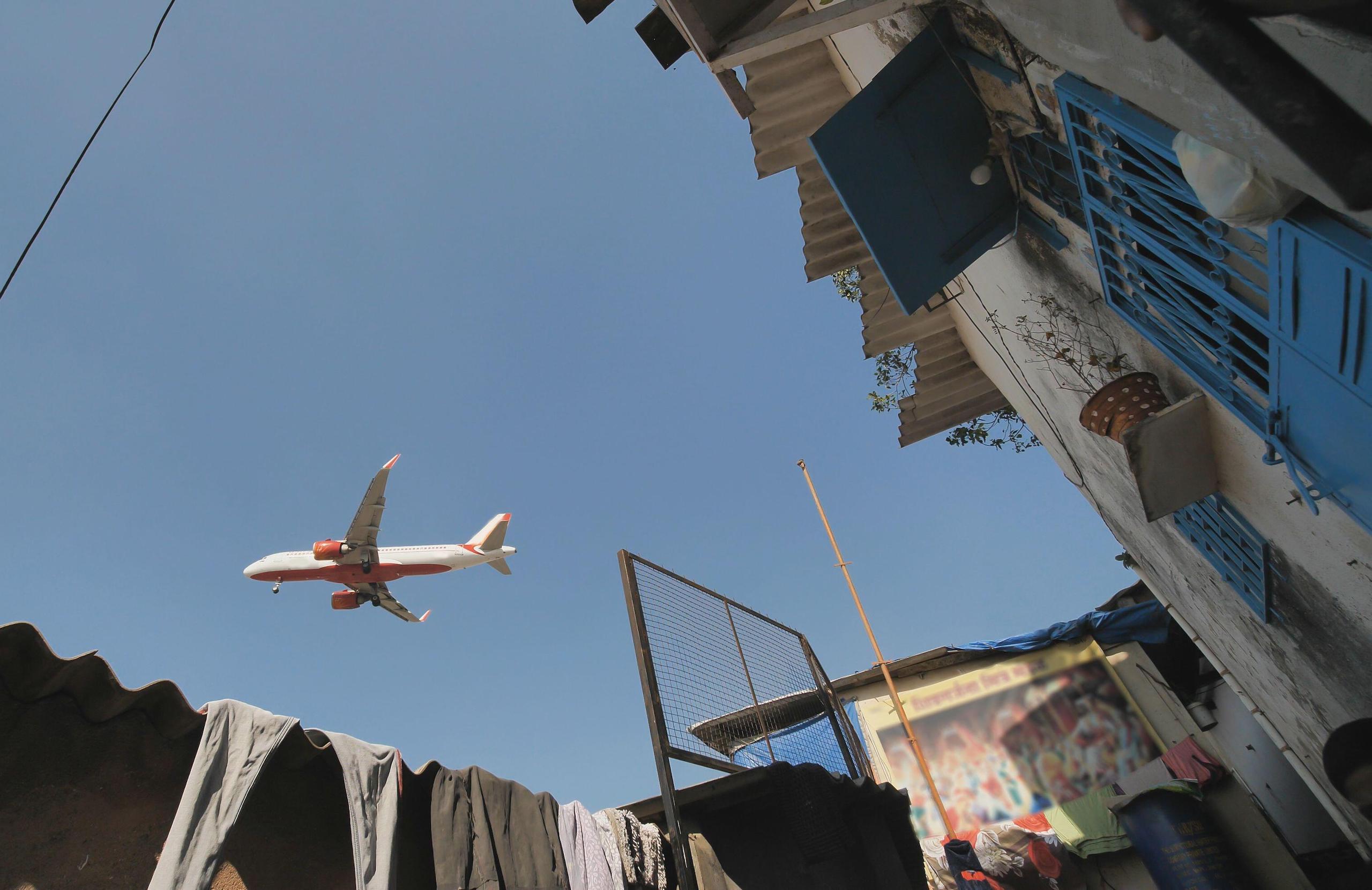
بھارت کے شہر نئی دہلی کے اوپر سے ایک طیارہ پرواز کر رہا ہے۔ ایئر لائن کمپنیوں نے حالیہ برسوں میں کاربن کریڈٹ پر بھاری رقم خرچ کی ہے
تاکہ سیارے کو گرم کرنے والی گیسوں کے اخراج کو ‘کم’ کیا جا سکے۔ (تصویر: ڈیوڈووچ میخائل /الامی)
بائیوانرجی ود کاربن کیپچر اینڈ اسٹوریج (بی ای سی سی ایس)
Bioenergy with carbon capture and storage (BECCS)
بائیو انرجی کی پیداوار کے دوران پیدا ہونے والا کاربن ذخیرہ کیا جاتا ہے، اور اس وجہ سے وہ فضا میں داخل نہیں ہوتا، اسے بی ای سی سی ایس (بائیوانرجی ود کاربن کیپچر اینڈ اسٹوریج – BECCS) کہا جاتا ہے۔ نظریاتی طور پر، اس کا مطلب یہ ہے کہ توانائی منفی کاربن فوٹ پرنٹ کے ساتھ پیدا ہوتی ہے۔ دنیا بھر میں اس وقت صرف چند بی ای سی سی ایس منصوبے کام کر رہے ہیں، اور ناقدین زمین کے بڑے رقبے کو بائیو انرجی کی پیداوار کے لئے استعمال سے متعلق اخراجات پر سوال اٹھاتے ہیں، جسے بصورت دیگر خوراک کی پیداوار یا حیاتیاتی تنوع کے لئے استعمال کیا جا سکتا ہے۔
بائیو ماس
Biomass
بائیوماس کوئی بھی نامیاتی (organic) مادہ ہے جو پودوں، جانوروں اور جرثوموں بشمول زراعت، جنگلات اور دیگر صنعتی نامیاتی فضلے سے آتا ہے۔ بائیوماس کو توانائی پیدا کرنے کے لئے براہ راست جلایا جا سکتا ہے، یا بائیو ایندھن میں تبدیل کیا جا سکتا ہے۔
برفانی تودہ
Cryosphere
برفانی تودے یا کرایواسفیئرکی اصطلاح سے مراد سیارے کے وہ علاقے ہیں جہاں زیادہ تر پانی منجمد شکل میں ہے، یعنی قطبی علاقے اور اونچے پہاڑ۔ دنیا کے بلند ترین پہاڑی سلسلے، کوہ ہندوکش ہمالیہ میں، جما ہوا پانی گلیشیئرز، آئس کیپ، برف، پرما فراسٹ اور دریاؤں اور جھیلوں پر برف کی شکل میں موجود ہے۔
پ
پیرس ایگریمنٹ
Paris Agreement
پیرس معاہدہ ایک تاریخی بین الاقوامی معاہدہ ہے جس کا مقصد عالمی اوسط درجہ حرارت میں اضافے کو “صنعتی ترقی سے پہلے کی سطح سے 2 ڈگری سیلسیس سے بھی نیچے” تک محدود کرنا ہے، اور ‘حرارت کو 1.5C تک محدود کرنے کی کوششوں کو آگے بڑھانا ہے۔
پیرس معاہدے کے تحت، ممالک اخراج کو کم کرنے اور آب و ہوا کی تبدیلی کے اثرات کے موافق ڈھالنے کے منصوبے پیش کرتے ہیں (جنہیں نیشنلی ڈیٹرمنڈ کونٹریبوشن – این ڈی سی- NDC کہا جاتا ہے)، اور یہ فرض کیا جاتا ہے کہ وہ ہر پانچ سال بعد ان وعدوں کا جائزہ لیں گے۔ اس معاہدے میں ترقی پذیر ممالک کو موسمیاتی تبدیلی کے اثرات سے نمٹنے اور عالمی کاربن منڈیوں کی مینجمنٹ کے لئے مالی معاونت کی فراہمی کا بھی احاطہ کیا گیا ہے۔
پارٹیکیولیٹ میٹر اور پی ایم 2.5
Particulate matter and PM 2.5
پارٹیکیولیٹ میٹر سے مراد ہوا میں پائے جانے والے ٹھوس ذرات اور مائع بوندوں کا مرکب ہے۔ کچھ ذرّات قدرتی عمل سےوجود میں آتے ہیں، اور یہ انسانی سرگرمیوں جیسے ایندھن کو جلانے اور تعمیرات سے بھی پیدا ہوتے ہیں۔
کچھ ذرّات لوگوں کے لئے صحت کے گھمبھیر مسائل کا باعث بن سکتے ہیں، خاص طور پر وہ ذرّات جو اتنے چھوٹے ہوتے ہیں کہ سانس لینے پر جسم موجود کی گہرائی میں داخل ہو سکتے ہیں۔ خاص طور پر تشویش کا باعث 2.5 مائکرو میٹر سے کم قطر والے ذرات ہیں، جنہیں ‘پی ایم 2.5’ کہا جاتا ہے۔
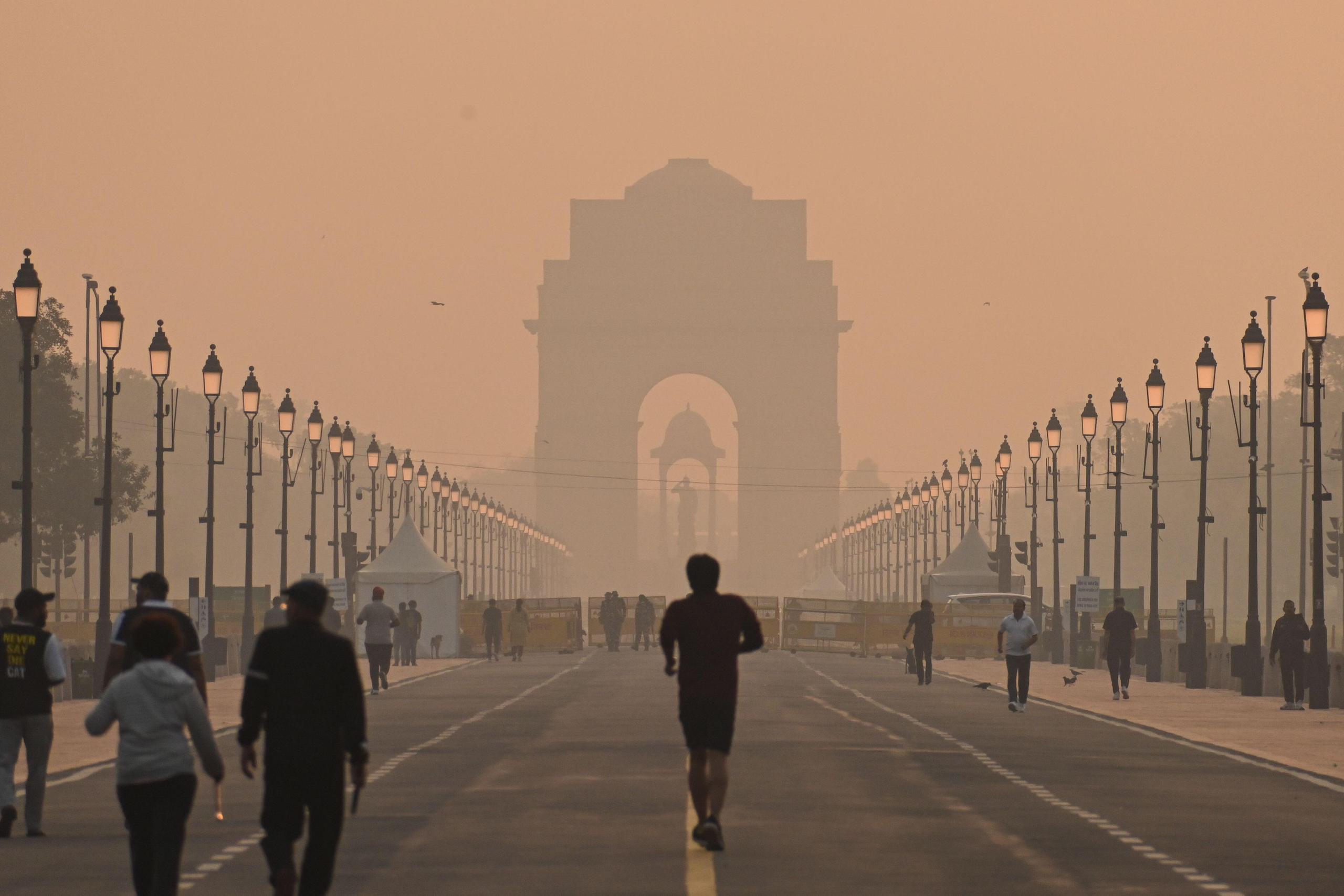
نئی دہلی میں شدید سموگ کے درمیان لوگ انڈیا گیٹ کے قریب ورزش کر رہے ہیں (فوٹو: کبیر جھنگیانی/ الامی)
پرما فراسٹ
Permafrost
کوئی بھی زمین جو کم از کم دو سال تک مکمل طور پر منجمد رہتی ہے اسے پرما فراسٹ کہتے ہیں۔ پرما فراسٹ قطبی خطوں میں پایا جاتا ہے۔ پرمافراسٹ مٹی، ریت، چٹان اور نامیاتی مواد سے بنا ہوتا ہے جسے برف جوڑے رکھتی ہے اور ہندوکش ہمالیائی خطے کے تقریباً 40 فیصد رقبے پر محیط ہے۔ موسمیاتی تبدیلی پرما فراسٹ کے پگھلنے کا سبب بن رہی ہے۔ اگرعالمی اوسط درجہ حرارت صنعتی ترقی سے پہلے کی سطح سے 2C تک بڑھ جاتا ہے، تو یہ اندازہ لگایا گیا ہے کہ پرما فراسٹ 40 فیصد سے زیادہ حد تک گر جائے گی۔
پرما فراسٹ کا نقصان قطبی اور پہاڑی علاقوں میں ہائیڈروولوجیکل سائیکل اور ماحولیاتی نظام میں ڈرامائی تبدیلیوں کا سبب بنے گا۔ پرما فراسٹ پگھلنے کے نتیجے میں گرین ہاؤس گیسوں کی بڑی مقدار کا اخراج بھی ہوسکتا ہے، جس کے نتیجے میں گرمی میں تیزی آۓ گی اور مزید پگھلنے کا عمل تیز ہوسکتا ہے۔
پائیدار ترقی کے اہداف
Sustainable Development Goals
پائیدار ترقی کے اہداف (SDGs) اقوام متحدہ کی طرف سے 2015 میں طے کیے گئے 17 باہم مربوط اہداف کا ایک مجموعہ ہیں، جنہیں 2030 تک حاصل کیے جانا ہے۔ وہ دنیا کے سب سے اہم سماجی، اقتصادی اور ماحولیاتی چیلنجوں سے نمٹنے کے لئے ایک تفصیلی فریم ورک فراہم کرتے ہیں۔
پائیدار ترقیاتی اہداف جو موسمیاتی تبدیلی سے سب سے زیادہ قریبی انداز سے جڑے ہوئے ہیں ان میں ‘سستی اور صاف توانائی‘؛ بشمول دنیا بھر میں قابل تجدید توانائی کے فیصد میں اضافہ؛ موسمیاتی تبدیلی کی حد اور اثرات کو محدود کرنے کے لئے فوری ‘موسمیاتی کارروائی’ کرنا؛ اور زمین اور سمندری حیات کی حفاظت کے اہداف شامل ہیں۔
ٹپنگ پائنٹ
Tipping point
موسمیاتی تبدیلی کے تناظر میں، ایک ٹپنگ پوائنٹ وہ حد ہے جو، ایک بار گزر جانے کے بعد، آب و ہوا میں ایک بڑی، ناقابل واپسی، اور خود کو برقرار رکھنے والی تبدیلی کو متحرک کرتا ہے۔ محققین نے اب تک اس طرح کے 16 آب و ہوا کے ٹپنگ پوائنٹس کی نشاندہی کی ہے، اور ان کا کہنا ہے کہ ان میں سے شاید کچھ پہلے ہی گزر چکے ہیں، جس سے گرین لینڈ آئس کیپ کے گرنے اور پرما فراسٹ کے پگھلنے جیسی ناگزیر بڑی تبدیلیاں ہو رہی ہیں۔
ایک اہم مثال جنوبی امریکہ میں ایمیزون برساتی جنگل ہے، جو دنیا کا سب سے بڑا برساتی جنگل ہے اور دنیا کےبڑے متنوع حیاتی ماحولیاتی نظام میں سے ایک ہے۔ ایمیزون کا، بشمول بارش پیدا کرنے اور خطے میں درجہ حرارت کو مستحکم کرنے کے، آب و ہوا پر بہت زیادہ اثر ہے۔ لیکن ایمیزون کے پانچویں حصے کے قریب برساتی جنگل کو کاٹ دیا گیا ہے یا وہ ختم ہوگیا ہے، یعنی بارش پیدا کرنے کے لئے کم درخت ہیں جن پر جنگل انحصار کرتا ہے۔ کم بارش سے جنگل کی بقاء کو خطرہ لاحق ہونے کا خدشہ ہے۔ کچھ سائنس دانوں کے مطابق، ایک ٹپنگ پوائنٹ جس پر جنگل کا انحصار ہوتا ہے اس وقت ختم ہو جائے گا جب جنگلات کی کٹائی 20-25 فیصد تک پہنچ جائے گی۔ اس کے بعد چند دہائیوں میں بڑے علاقے گھاس کے میدان میں تبدیل ہو جائیں گے۔
ت
توانائی کی منتقلی
Energy transition
توانائی کا شعبہ روایتی طور پرفوسل فیولز پر سب سے زیادہ انحصار کرتا رہا ہے، اور یہ موسمیاتی تبدیلی کی بنیادی وجہ ہے۔ کوئلہ، تیل اور قدرتی گیس سے قابل تجدید توانائی کے ذرائع، جیسے شمسی اور ہوا کی طرف تبدیلی، کو توانائی کی منتقلی کہا جاتا ہے، جس کے نتیجے میں کاربن کا زیادہ اخراج نہیں ہوتا۔
تیز سیلاب
Flash floods
تیز سیلاب، شدید اور اچانک آنے والے سیلاب ہیں، جو کہ مختصر وقت میں شدید بارش، یا برف کے تیزی سے پگھلنے جیسے واقعات سے پیدا ہوتے ہیں۔ تیز سیلاب شدید نقصان کا سبب بن سکتے ہیں کیونکہ یہ بہت کم یا بغیر کسی انتباہ کےرونما ہوتے ہیں، جس سے لوگ انخلاء یا ضروری احتیاطی تدابیر اختیار کرنے سے قاصر رہتے ہیں۔
ہندوستانی ہمالیہ میں 1986 سے اب تک 17 بڑے سیلاب آچکے ہیں۔ سائنس دانوں کا کہنا ہے کہ گزشتہ 20 سالوں میں ہمالیہ میں آنے والے سیلابوں میں اضافے کی ایک بڑی وجہ جنگلات میں زیادہ شدید آگ ہے۔
تخفیف
Mitigation
ماحول میں موسمیاتی تبدیلی کا باعث بننے والی گرین ہاؤس گیسوں کے تناسب کو کم کرنے کے لئے کئے گئے اقدامات کو موسمیاتی تبدیلیوں کی تخفیف کہا جاتا ہے۔ تخفیف کے اقدامات میں قابل تجدید توانائی کے ذرائع کی طرف منتقلی کرکے اخراج کو کم کرنا، صنعتی سرگرمیوں سے ہونے والے اخراج کو کیپچر اور ذخیرہ کرنا، اور قدرتی کاربن سنک جیسے کہ جنگلات اور سمندری ماحولیاتی نظام کو بہتر بنانا شامل ہے۔
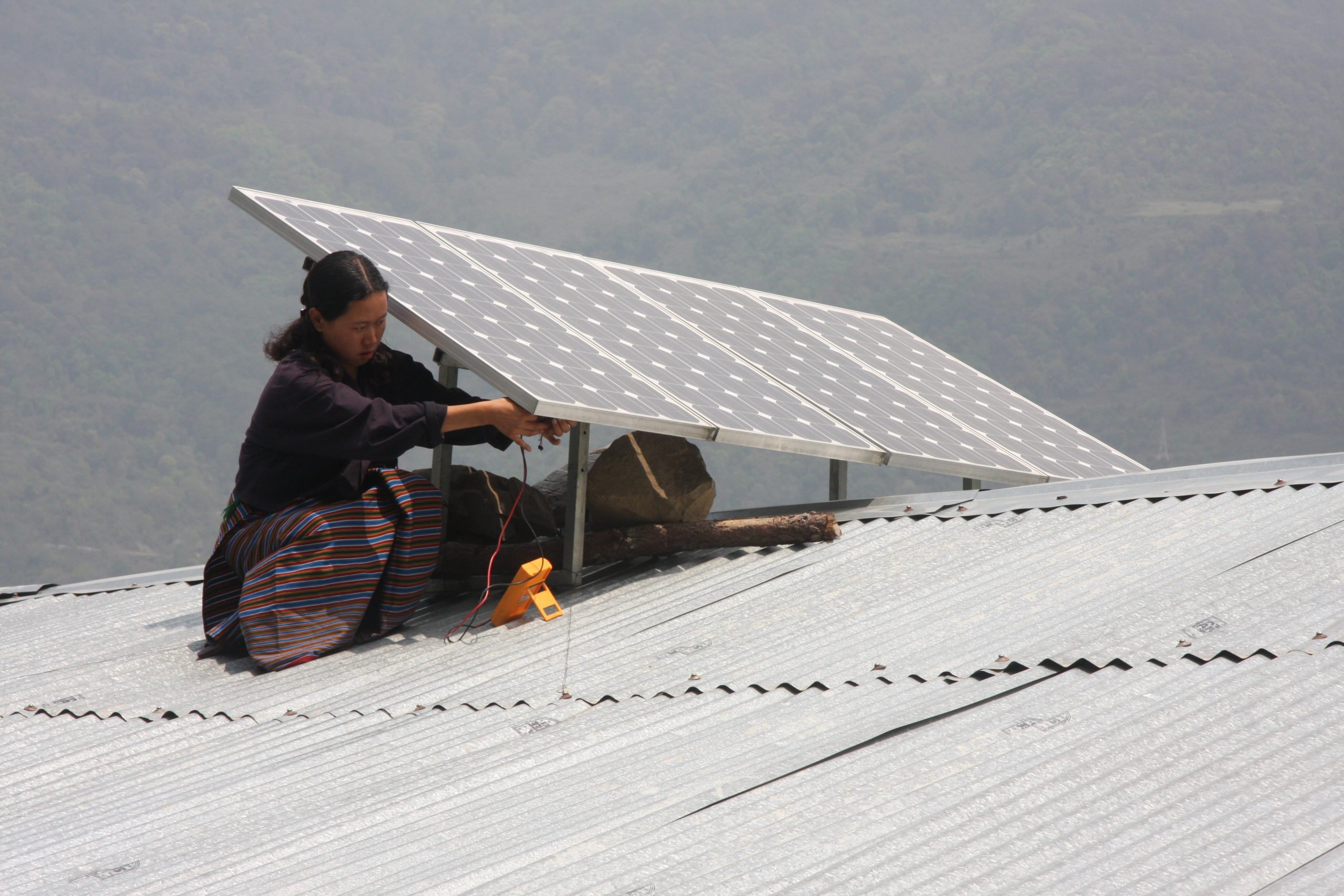
بھوٹان میں ایک خاتون چھت پر سولر پینل نصب کر رہی ہے (تصویر: ایشیائی ترقیاتی بینک / فلکر / سی سی
(بائی-این سی-این ڈی 2.0)
ج
جنگلات کی کٹائی
Deforestation
انسان، زراعت اور کان کنی جیسی سرگرمیوں کے لئے جگہ بنانے کے لئے جنگلات کی کٹائی کرتے ہیں۔ جنگلات کی کٹائی سے گرین ہاؤس گیسوں کی بڑی مقدار فضا میں خارج ہوتی ہے، یہ حیاتیاتی تنوع اور ہماری آب و ہوا دونوں کے لئے ایک بڑا خطرہ ہے۔
ح
حیاتیاتی تنوع
Biodiversity
کسی خاص علاقے میں پائی جانے والی زندگی کی مختلف اقسام کو حیاتیاتی تنوع کہا جاتا ہے۔ اس میں وہ جانور، پودے اور جرثومے شامل ہیں جو ایک ماحولیاتی نظام میں ایک دوسرے کے ساتھ تعامل کرتے ہیں، اور زندگی کا ایک نیٹ ورک بناتے ہیں۔
حیاتیاتی تنوع کا تحفظ کرہ ارض پر موجود تمام زندگیوں بشمول انسانیت کی بقا کے لئے بہت ضروری ہے، کیونکہ جس ماحولیاتی نظام پر ہم خوراک، پانی اور صاف ہوا فراہم کرنے کے لئے انحصار کرتے ہیں وہ صرف اسی صورت میں کام کر سکتے ہیں جب متنوع قسم کی انواع وافر تعداد میں موجود ہوں۔ لیکن حیاتیاتی تنوع فی الحال انسانی سرگرمیوں کی وجہ سے خطرے میں ہے، جس میں 10 لاکھ تک پودوں اور جانوروں کی نسلیں معدومیت کے خطرے سے دوچار ہیں۔
حیاتیاتی تنوع کے نقصان کی دیگر وجوہات ک علاوہ کچھ اہم وجوہات زمین کے استعمال میں تبدیلیاں ہیں، جیسے جنگلات کی کٹائی اور زراعت یا کان کنی کے لئے قدرتی رہائش گاہوں کی تبدیلی؛ شکار اور زیادہ استحصال؛ حملہ آور انواع؛ اور موسمیاتی تبدیلی ہیں۔
خ
خطرہ
Vulnerability
مختلف کمیونٹیز موسمیاتی تبدیلی سے غیر متناسب انداز میں متاثر ہوتی ہیں۔ موسمیاتی تبدیلی کا خطرہ جغرافیائی محل وقوع، سماجی و اقتصادی حیثیت اور سماجی پسماندگی جیسے عوامل کی بنیاد پر مختلف ہوتا ہے۔
د
درست منتقلی یا منصفانہ منتقلی
Just transition
اخراج کو کنٹرول میں رکھنے اور موسمیاتی تبدیلیوں کو محدود کرنےکے لئے کم کاربن والی معیشت کی طرف منتقل ہونا ضروری ہے۔ لیکن ڈیکاربنائزنگ کا مطلب صنعتوں میں بڑی تبدیلیاں، جیسے معدنی ایندھن جو لاکھوں لوگوں کو ملازمت دیتی ہیں۔
‘درست یا منصفانہ منتقلی’ وہ ہے جس میں اس تبدیلی کے سماجی اور معاشی مضمرات کو مناسب طریقے سے حل کیا جاتا ہے۔ اس میں اس بات کو یقینی بنانا شامل ہے کہ کارکنوں کے حقوق اور کمیونٹیز کی ضروریات کا تحفظ کیا جائے، اور ان لوگوں کے لئے مدد اور مواقع فراہم کئے جائیں جن کی ملازمتوں کو تبدیل کرنا ضروری ہے۔
دی تھرڈ پول
The Third Pole
ہندو کش ہمالیہ کے پہاڑی سلسلے اور تبتی سطح مرتفع پہ محیط خطے کو اکثر ‘تھرڈ پول’ کے نام سے جانا جاتا ہے کیونکہ اس کے برفیلے میدان، قطبی علاقوں سے باہر سب سے زیادہ منجمد پانی رکھتے ہیں۔ یہ خطہ 10 بڑے دریائی نظاموں کا منبع ہے جو تقریباً 2 بلین لوگوں کو آبپاشی، بجلی اور پینے کا پانی فراہم کرتا ہے، یہ دنیا کی 24 فیصد آبادی سے زیادہ ہے۔
ر
ریزیلی انس یا لچک
Resilience
موسمیاتی ریزیلی انس یا لچک سے مراد وہ طریقے ہیں جن میں کمیونٹیز موسمیاتی تبدیلی کے اثرات سے نمٹنے کے قابل ہوتی ہیں، بشمول موسمیاتی تبدیلی سے منسلک شدید موسمی واقعات کے بعد واپس بحال ہونا۔ جہاں ‘موافقت’ سے مراد آب و ہوا میں ہونے والی تبدیلیوں کے جواب میں نظام میں مستقل تبدیلی ہے، وہیں ریزیلی انس موسمیاتی تبدیلی سے متعلق تباہی کے بعد ‘معمول’ پر واپس آنے کا نام ہے۔
س
سی ایف سی (کلورو فلورو کاربن)
CFCs (chlorofluorocarbons)
سی ایف سی (یا کلورو فلورو کاربن – CFC) کاربن، کلورین اور فلورین عناصر پر مشتمل گیسیں ہیں جو سالوینٹس، ریفریجرینٹس اور ایروسول سپرے میں استعمال ہوتی ہیں۔ 20 ویں صدی میں، سی ایف سی اوزون کی تہہ کے خاتمے کے ذمہ دار ٹھہرائی گۓ- اوزون زمین کے کرّہ ہوا کی وہ تہہ ہے جو سورج کی الٹراوائلٹ شعاعوں کو روکتا ہے، اور جانداروں کو اس کے مضر اثرات سے بچاتا ہے۔
سی ایف سی کا استعمال 1987 میں طے پانے والے تاریخی مونٹریال پروٹوکول کے نتیجے میں دنیا بھر میں مرحلہ وار ختم کر دیا گیا۔
سی او پی /کوپ
COP
موسمیاتی تبدیلی کی دنیا میں، ‘سی او پی’ (COP) سے مراد یونائیٹڈ نیشن فریم ورک کنونشن آن کلائمیٹ چینج (یو این ایف سی سی سی – UNFCCC) کے فریقین کی کانفرنس ہے۔ یہ سالانہ اجلاس، موسمیاتی تبدیلی پر عالمی کارروائی کے حوالے سے تبادلہ خیال کرنے کے لئے کنونشن کے 198 اراکین کو اکٹھا کرتا ہے، جس پر پہلی بار 1992 میں دستخط کئے گئے تھے۔
موسمیاتی سی او پیز میں، ملکی نمائندے مسائل پر بات کرتے ہیں جیسے کہ گرین ہاؤس گیسوں کے اخراج کو کیسے کم کیا جائے جو کرہ ارض کو گرم کرنے کا سبب بنتی ہیں؛ موسمیاتی تبدیلی کے اثرات سے موافقت؛ اور ترقی پذیر ممالک کو معدنی ایندھن سے دور رہنے اور موسمیاتی تبدیلی کے اثرات سے نمٹنے کی زیادہ اہلیت پیدا کرنے کے لئے مالی مدد۔
آخری سی او پی، سی او پی27، نومبر 2022 میں شرم الشیخ، مصر میں منعقد ہوئی تھی۔ سی او پی28 دبئی، متحدہ عرب امارات میں 30 نومبر سے 12 دسمبر 2023 تک منعقد ہوگی۔
سمندری تیزابیت
Ocean acidification
زمین کی فضا میں خارج ہونے والی کاربن ڈائی آکسائیڈ کا تقریباً 30 فیصد حصہ سمندر جذب کرتا ہے۔ جیسے جیسے فضا میں کاربن ڈائی آکسائیڈ کی سطح بڑھتی ہے اسی طرح سمندری پانی میں کاربن ڈائی آکسائیڈ بھی بڑھ جاتی ہے۔ یہ عمل سمندروں کی کیمیائی ساخت کو تبدیل کرتا ہے، جس سے سمندری پانی زیادہ تیزابی بن جاتا ہے، یہ عمل سمندری تیزابیت کے نام سے جانا جاتا ہے۔
سمندری تیزابیت سمندری حیاتیاتی تنوع کو بری طرح متاثر کر سکتی ہے، جیسا کہ اس عمل پر اثر پڑتا ہے جس کے ذریعے سیپ اور دیگر شیل فش جیسے جانور اپنے خول بناتے ہیں۔ مرجان کی چٹانوں کو بھی تیزابی سمندروں سے شدید خطرہ ہے۔ اس کے نتیجے میں آبادی اور معاشیات پر شدید اثرات پڑ سکتے ہیں جو آمدنی اور خوراک کے لئے سمندر پر منحصر ہیں۔
ص
صحرا بندی
Desertification
صحرا بندی زمین کے انحطاط کا ایک ایسا عمل ہے جس میں خشک یا نیم خشک علاقوں میں زرخیز اور حیاتیاتی متنوع زمین اپنی پیداواری صلاحیت کھو دیتی ہے اور بلآخر صحرا میں تبدیل ہو جاتی ہے۔ یہ انسانی سرگرمیوں جیسے جنگلات کی کٹائی اور حد سے زیادہ مویشی چرانے کے ساتھ ساتھ موسمیاتی تبدیلی کے اثرات سے بھی ہوسکتی ہے۔
صنعتی انقلاب
Industrial Revolution
صنعتی انقلاب یورپ اور شمالی امریکہ میں ایک اہم دور تھا، جس کا آغاز 18 ویں صدی میں ہوا، اور جس میں زرعی معیشتوں سے تکنیکی ترقی اور صنعتی مینوفیکچرنگ کی طرف منتقلی ہوئی۔
ان نئے عملوں میں استعمال ہونے والی زیادہ تر توانائی معدنی ایندھن کے استعمال سے پیدا کی جاتی تھی: ابتداء میں کوئلہ، اور پھر تیل اور گیس کا استعمال کیا گیا۔ اس نے ماحول میں کاربن ڈائی آکسائیڈ کی سطح میں بہت اضافہ کیا، جس سے انسانی موسمیاتی تبدیلی کا آغاز ہوا۔
ف
فوسل فیولز
Fossil fuels
فوسل فیولز میں کوئلہ، تیل اور قدرتی گیس شامل ہیں، جو کہ لاکھوں سال پہلے مرنے والے پودوں اور جانوروں کی باقیات سے بنتے ہیں۔ لہذا وہ انسانی زندگی کے دورانیے میں قابل تجدید نہیں ہیں۔ توانائی کی پیداوار کے لئے، فوسل فیول کا جلانا، کاربن ڈائی آکسائیڈ اور دیگر گرین ہاؤس گیسوں کی بڑی مقدار کو فضا میں خارج کرتا ہے اور یہ موسمیاتی تبدیلی کی واحد اورسب سے بڑی وجہ ہے۔
فطرت پہ مبنی حل
Nature-based solutions
انٹرنیشنل یونین فار کنزرویشن آف نیچر (آئی یو سی این – IUCN) فطرت پر مبنی حل کی تعریف “قدرتی یا تبدیل شدہ ماحولیاتی نظام کے تحفظ، انتظام اور بحالی کےلئے اقدامات” کے طور پر کرتی ہے، جو “سماجی چیلنجوں کو مؤثر طریقے سے اور موافقت کے ساتھ حل کرتے ہیں، انسانی فلاح و بہبود اور حیاتیاتی تنوع کے فوائد فراہم کرتے ہیں”۔
آب و ہوا کے تناظر میں، فطرت پر مبنی حل میں ماحولیاتی نظام کا تحفظ اور بحالی شامل ہو سکتی ہے جو کاربن سنک کے طور پر کام کرتے ہیں۔ مینگروو کے جنگلات اس بات کی ایک اچھی مثال ہیں کہ فطرت پر مبنی حل کس طرح موسمیاتی تبدیلیوں میں تخفیف اور موافقت دونوں میں مدد کر سکتے ہیں: یہ کمیونٹیز کو ساحلی طوفانوں اور سیلابوں سے بچا سکتے ہیں، جبکہ کاربن کو بھی ذخیرہ کرتے ہیں۔
ق
قدرتی گیس
Natural gas
قدرتی گیس ایک فوسل فیول ہے جو بجلی پیدا کرنے، عمارتوں کو گرم کرنے، کھانا پکانے اور صنعتی سرگرمیوں میں استعمال ہوتا ہے۔ یہ زیادہ تر میتھین پر مشتمل ہوتا ہے، اس کے ساتھ ساتھ دیگر ہائیڈروکاربن جیسے ایتھین اور پروپین بھی کم مقدار میں شامل ہوتے ہیں۔
کوئلے اور تیل کے مقابلے میں، قدرتی گیس جلانے پر کم سطح پہ کاربن ڈائی آکسائیڈ اور فضائی آلودگی خارج ہوتی ہے۔ کچھ لوگوں نے فوسل فیول سے قابل تجدید توانائی میں منتقلی کے عمل میں مدد کے لئے قدرتی گیس کو بطور پل یا ‘ٹرانزیشن فیول‘ کے استعمال کی وکالت کی ہے۔ لیکن بہت سے ماہرین کا کہنا ہے کہ یہ دلیل متعلقہ یا اہم معاملے سے توجہ ہٹاتی ہے، اور یہ سستی اور کم آلودگی والی قابل تجدید توانائی میں سرمایہ کاری میں رکاوٹ بن سکتی ہے۔
قابل تجدید توانائی
Renewable energy
قابل تجدید توانائی سے مراد ہوا کی طاقت، پانی، شمسی تابکاری اور زمین کی قدرتی گرمی جیسے ذرائع کا استعمال کرتے ہوئے پیدا ہونے والی توانائی ہے۔ فوسل فیول کے برعکس، قابل تجدید ذرائع کا استعمال کرتے ہوئے توانائی کی پیداوار عام طور پر ماحول میں گرین ہاؤس گیسوں کو خارج نہیں کرتی ہے۔ انہیں قابل تجدید کے طور پر جانا جاتا ہے کیونکہ، زمین سے نکالے گئے فوسل فیول کے برعکس، یہ وسائل محدود نہیں ہیں۔
توانائی کی پیداوار میں فوسل فیول سے قابل تجدید ذرائع کی طرف منتقلی موسمیاتی تبدیلی کو محدود کرنے کی کوششوں کا ایک لازمی حصہ ہے۔ 2020 میں، عالمی بجلی کی پیداوار میں قابل تجدید توانائی کا حصہ 29 فیصد تک پہنچ گیا۔
اگرچہ پن بجلی قابل تجدید توانائی کی ایک شکل ہے،البتہ ڈیموں کی تعمیر سے دریا کے نظام، ان کی ماحولیات اور ان پر انحصار کرنے والے لوگوں کی زندگیوں پر نمایاں منفی اثرات مرتب ہو سکتے ہیں۔ لہذا اسے توانائی کی پیداوار کی ماحول دوست شکل نہیں سمجھا جاتا ہے۔
ک
کاربن کریڈٹ اور آف سیٹس
Carbon credits and offsets
کاربن کریڈٹ اور کاربن آفسیٹ کاربن ٹریڈنگ کی دو مرکزی اقسام ہیں۔ کاربن کریڈٹ بنیادی طور پر حکومتوں کی طرف سے کمپنیوں کو جاری کردہ ٹوکن ہیں جو مستقبل میں کاربن کے اخراج کی نمائندگی کرتے ہیں۔ وہ کمپنیاں جو اپنے مختص ‘الاؤنس’ سے کم اخراج کرتی ہیں- وہ اضافی کاربن کریڈٹس حاصل کرتی ہیں- اور وہ کاربن مارکیٹ میں تجارت کر سکتی ہیں۔ اس طریقے سے کمپنیوں کو اپنے اخراج کم کرنے کی ترغیب دی جاتی ہے۔
کاربن آف سیٹ کمپنیاں بناتی ہیں۔ اگر ایک کمپنی کوئی ایسا کام کرتی ہے جس سے ماحول سے کاربن ختم ہو، جیسا کہ درخت لگانا، تو وہ اسے کاربن آف سیٹ شمار کر سکتی ہے، اور اس سے دوسری تنظیموں کے ساتھ تجارت کر سکتی ہے جو اپنے طریقہ کار سے آلودگی کے اثرات ‘ختم ‘ کرنا چاہتے ہیں۔ افراد بھی، کاربن ختم کرنے کے منصوبوں، جیسے جنگلات کے پروگرام یا قابل تجدید توانائی کی ترقی کے لئے عطیہ دے کر، اپنے کاربن کے اخراج کو ‘آف سیٹ’ کر سکتے ہیں، جو زیادہ کاربن والی سرگرمیوں سے پیدا ہوتے ہیں جیسے کہ ہوائی سفر۔
کاربن ٹریڈنگ متنازعہ ہے۔ ناقدین کا کہنا ہے کہ عملی طور پر کاربن مارکیٹ امیر ممالک، کمپنیز اور افراد کو درحقیقت اخراج کم کرنے کی بجاۓ اس سے بچ نکلنے کا راستہ دیتی ہے، وہ آرام سے پیسے خرچ کر کے آلودگی کو جاری رکھ سکتے ہیں، اور ان کا مؤثر طریقے سے انتظام کرنا مشکل ہے۔ کاربن آفسیٹ منصوبوں کے کاربن ختم کرنے کے حقیقی فائدے پر بھی سوال اٹھائے گئے ہیں، کچھ مبصرین کا کہنا ہے کہ ان کے آب و ہوا کے مثبت اثرات میں اضافہ ہوا ہے۔
کاربن کیپچر، یوٹیلائی زیشن اینڈ اسٹوریج (سی سی ایس اور سی سی یو ایس)
Carbon Capture, Utilisation and Storage (CCS and CCUS)
کاربن کیپچر اینڈ اسٹوریج (یا سی سی ایس – CCS) ایک ایسا عمل ہے جو صنعتی عمل کے ذریعے پیدا ہونے والی کاربن ڈائی آکسائیڈ کو براہ راست روکتا ہے اور اسے فضا تک پہنچنے سے روکنے کےلئے زمین میں انجیکٹ کرتا ہے۔ کاربن کیپچر، یوٹیلائزیشن، اینڈ اسٹوریج (سی سی یو ایس – CCUS) ایک قدم آگے ہے یعنی کیپچر شدہ کاربن کو الکوحل، بائیو فیول، پلاسٹک یا کنکریٹ جیسی اشیا کی پیداوار میں استعمال کیا جاتا ہے۔
کچھ مبصرین کا کہنا ہے کہ کاربن کیپچر ٹیکنالوجیز کا موسمیاتی تبدیلی کم کرنے میں اہم کردار ہے، اس سے صنعتوں کے موسمی اثرات کو کم کیا جا سکتا ہے جو آلودگی پھیلانے والے ایندھن یا مواد کے استعمال کو آسانی سے نہیں روک سکتیں۔ آئی پی سی سی (IPCC)کا خیال ہے کہ سی سی ایس ٹیکنالوجیز کا موسمیاتی تبدیلی کو 2C کے اندر رکھنے میں اہم کردار ہوگا۔
لیکن دوسروں کا کہنا ہے کہ سی سی ایس اور سی سی یو ایس ٹیکنالوجیز فوسل فیول سے منتقلی میں تاخیر کی وجہ بن سکتی ہیں، اور یہ کہ ٹیکنالوجی زیادہ تر غیر اقتصادی اور بڑے پیمانے پر غیر تجربہ شدہ ہے۔ جولائی 2023 میں، یورپی یونین اور جرمنی، فرانس اور نیوزی لینڈ سمیت 17 ممالک نے کہا کہ کاربن کیپچر ٹیکنالوجی پر انحصار محدود ہونا چاہیے کیونکہ یہ فوسل فیول کو مرحلہ وار ختم کرنے کا متبادل نہیں ہے۔
کاربن ڈائی آکسائڈ اکیویلنٹ (سی او ٹو ای)
Carbon dioxide equivalent (CO2e)
کاربن ڈائی آکسائیڈ کے برابر (سی او ٹو ای – CO2e) ایک اصطلاح ہے جو ایک واحد میٹرک کا استعمال کرتے ہوئے مختلف گرین ہاؤس گیسوں کے اثر کو سمجھنے کے لئے استعمال ہوتی ہے۔ ایک گیس گرین ہاؤس افیکٹ میں زیادہ حصّہ رکھتی ہے، جیسے میتھین، کی تھوڑی سی مقدار کاربن ڈائی آکسائڈ کی اتنی مقدار سے کئی گنا زیادہ کاربن ڈائی آکسائڈ مساوی ہوسکتی ہے۔
کاربن فٹ پرنٹ
Carbon footprint
کسی شخص یا چیز کا کاربن فٹ پرنٹ گرین ہاؤس گیس کی وہ مقدار ہے، جو ان کے کسی عمل سے، براہ راست یا بالواسطہ پیدا ہوتی ہے۔اس میں شامل ہو سکتا ہے کہ وہ کیا کھاتے ہیں، وہ کیسے سفر کرتے ہیں، وہ کیا خریدتے ہیں، اور ان کی بجلی اور حرارت کیسے پیدا ہوتی ہے۔
کاربن مارکیٹ
Carbon market
کاربن مارکیٹس، جسے ایمیشن ٹریڈنگ اسکیم بھی کہا جاتا ہے، وہ معاہدے ہیں جن کے ذریعے ممالک یا کاروبار کاربن ڈائی آکسائیڈ کے اخراج کے اجازت نامے خریدتے اور بیچتے ہیں، جنہیں اکثر کاربن کریڈٹ کہا جاتا ہے۔
کاربن ٹریڈنگ مارکیٹ کے تحت، کوئی ملک یا کمپنی جو اپنے کاربن کے اخراج کو ایک مخصوص متفقہ سطح سے کم کر دیتی ہے، وہ بچا ہوا اخراجی ‘الاؤنس’ کاربن کریڈٹس کی شکل میں دوسروں کو بیچ سکتی ہے جو اب بھی ان حدود سے کہیں زیادہ آلودگی پھیلا رہے ہیں۔ نظریاتی طور پر، یہ اخراج کو کم کرنے کے لئے مالی ترغیب فراہم کرتا ہے۔
کاربن ڈائی آکسائیڈ ریموول (سی ڈی آر) اور سیکوسٹریشن
Carbon dioxide removal (CDR) and sequestration
کاربن ڈائی آکسائیڈ ریموول (سی ڈی آر – CDR) سے مراد وہ عمل ہے جس کے ذریعے کاربن ڈائی آکسائیڈ کو ہوا سے نکالا جاتا ہے تاکہ یہ گرین ہاؤس گیس کے طور پر کام نہ کرے۔ جب اس کاربن کو طویل مدت تک ذخیرہ کیا جاتا ہے، تو اسے کاربن سیکوسٹریشن کہا جاتا ہے۔
کاربن سیکوسٹریشن قدرتی طور پر ہوتا ہے، حیاتیاتی عمل مٹی، سمندر، جنگلات، گھاس کے میدانوں اور دیگر قدرتی ماحولیاتی نظاموں میں کاربن ڈائی آکسائیڈ کی بڑی مقدار کو ذخیرہ کرتے ہیں۔ یہ انسانی ساختہ عمل کے ذریعے، جیسے کاربن کیپچر اور اسٹوریج ٹیکنالوجیز کے ذریعے بھی حاصل کیا جا سکتا ہے۔
سی ڈی آر اور کاربن سیکوسٹریشن کو موسمیاتی تبدیلیوں میں کمی کے لئے ضروری وسیلہ سمجھا جاتا ہے۔ آئی پی سی سی (IPCC) کہتا ہے کہ ” گرمی کو 1.5 سیلسیس تک محدود کرنے کے لئے سی ڈی آر کی ضرورت ہے”، خاص طور پر “ڈیکاربنائز سیکٹرز، جیسے صنعت، طویل فاصلی نقل و حمل، اور زراعت” میں۔ زیادہ تر نیٹ-زیرو قومی منصوبوں میں بھی سی ڈی آر(CDR) ایک بنیادی فیچر ہے۔
کاربن سنک
Carbon sink
کاربن سنک، کاربن ڈائی آکسائیڈ ذخیرہ کرنے کے قدرتی اور مصنوعی ذخائر ہوتے ہیں۔ کاربن سنک ماحول میں گرین ہاؤس گیسوں کے تناسب کو منظم کرنے میں اہم کردار ادا کرتے ہیں۔ صحت مند جنگلات، سمندر، مٹی، پیٹ لینڈ اور ویٹ-لینڈ تمام قدرتی کاربن سنک ہیں۔ کاربن کیپچر اینڈ اسٹوریج (سی سی ایس – CCS) ٹیکنالوجیز مصنوعی کاربن سنک کے طور پر کام کر سکتی ہیں۔
کیگالی ترمیم
Kigali Amendment
اوزون کی تہہ کے تحفظ کے لئے 1987 میں دستخط کئے گئے عالمی معاہدے مونٹریال پروٹوکول میں 2016 میں روانڈا کے دارالحکومت کیگالی میں ایک اجلاس کے دوران ترمیم کی گئی تھی۔ کیگالی ترمیم کا مقصد ہائیڈرو فلورو کاربن (ایچ ایف سی –HFC) کی پیداوار اور استعمال کو مرحلہ وار کم کرنا ہے، یہ طاقتور گرین ہاؤس گیسیں ہیں جو اوزون کو ختم کرنے والے مادوں جیسے کہ کلوروفلورو کاربن (سی ایف سی – CFC) اور ہائیڈرو فلورو کاربن ( ایچ سی ایف سی-HCFC) کے متبادل کے طور پر استعمال ہوتی ہیں۔
کیوٹو پروٹوکول
Kyoto Protocol
کیوٹو پروٹوکول ایک بین الاقوامی معاہدہ تھا، جسے 1997 میں اپنایا گیا تھا، جس کا مقصد موسمیاتی تبدیلیوں سے نمٹنے کے لئے گرین ہاؤس گیسوں کے اخراج کو کم کرنا تھا۔ یہ معاہدہ 2005 میں نافذ ہوا اور اس پر 192 فریقین نے دستخط کئے (حالانکہ امریکہ نے اس معاہدے کی کبھی توثیق نہیں کی)۔ کیوٹو پروٹوکول نے تاریخی اخراج اور دیگر حالات کی بنیاد پر صنعتی ممالک کے لئے اخراج میں کمی کے پابند اہداف مقرر کئے ہیں۔
2015 میں، کیوٹو پروٹوکول کو پیرس معاہدے نے ماحولیاتی تبدیلی کے خلاف عالمی کارروائی کو مربوط کرنے کے لئے ایک اہم بین الاقوامی معاہدے کے طور پر ختم کر دیا تھا۔
گ
گردشی معیشت
Circular economy
ایک گردشی معیشت میں، وسائل کو دوبارہ استعمال اور ری سائیکل کیا جاتا ہے جس سے فضلے کو کم سے کم کیا جاتا ہے اور وسائل کی کارکردگی بڑھائی جاتی ہے۔ ایک ‘سیدھی معیشت’ ماڈل کے برعکس جس میں وسائل کو نکالا جاتا ہے، استعمال کیا جاتا ہے، اور پھر ضائع کردیا جاتا ہے، ایک گردشی معیشت اس بات کو یقینی بناتی ہے کہ استعمال شدہ مواد کو پروڈکشن چین میں واپس لایا جائے، جس سے وسائل کے استعمال کا ایک ‘لوپ’ بنتا ہے۔
گلیشیئرز
Glaciers
گلیشیئرز، منجمد دریاؤں کی طرح آہستہ آہستہ تیرتے برفانی تودے ہوتے ہیں۔ جو قطبی علاقوں اور بلند پہاڑوں میں پائے جاتے ہیں۔ یہ صدیوں پر محیط عمل ہے، جب برف زمین پر گر کر برف کی موٹی تہوں کے نیچے دبتی جاتی ہے۔ ان کی حرکت کی بنیادی وجہ کشش ثقل ہے جو برف کے وزن پر اثر انداز ہوتی ہے۔
جیسے جیسے موسمیاتی تبدیلی سے دنیا کا درجہ حرارت بڑھتا جا رہا ہے، گلیشیر تیزی سے پگھل رہے ہیں، اور برفباری انہیں واپس بھرنے کے لئے ناکافی ہے۔ گلیشیئرز پگھلنے کے اثرات سمندر کی سطح، واٹر سائیکلز اور گلیشیئرز سے دور موسمی نظام میں دیکھے جا سکتے ہیں۔ ہمالیہ کے پگھلتے گلیشیئرز کے بارے میں مزید پڑھیں
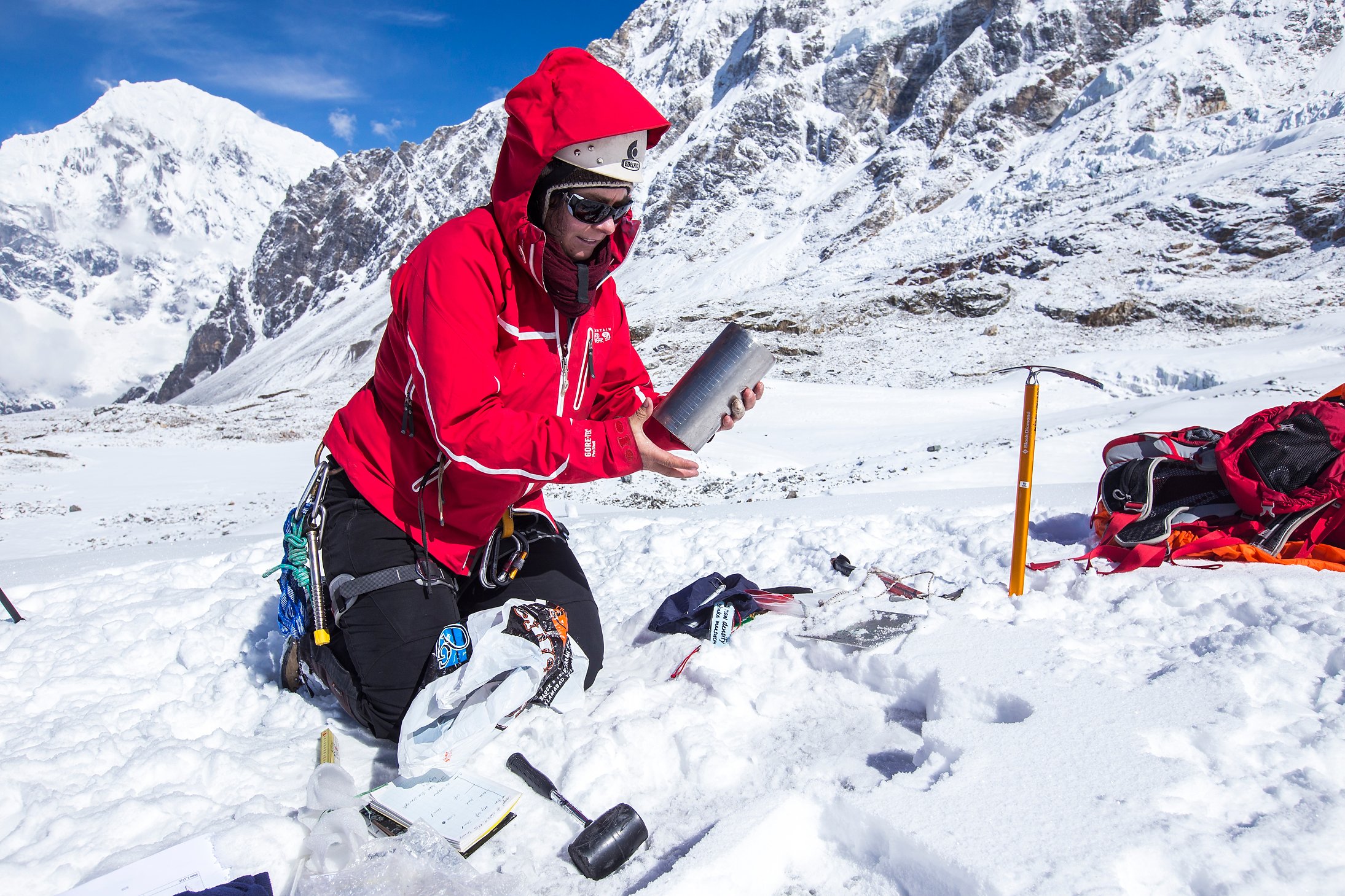
نیپال کے یالا گلیشیئر میں ‘ماس بیلنس’ کی پیمائش کرنا جو گلیشیئر کی صحت کا ایک اہم اشارہ ہے۔ (تصویر: آئی سی آئی ایم او ڈی کھٹمنڈو / فلکر، سی سی بائی این سی)
گلوبل وارمنگ
Global warming
بہت سے لوگ ‘موسمیاتی تبدیلی’ اور ‘گلوبل وارمنگ’ کی اصطلاحات کو ایک دوسرے کے متبادل استعمال کرتے ہیں۔ لیکن جہاں گلوبل وارمنگ سے مراد زمین کی سطح کا بڑھتا ہوا درجہ حرارت ہے، ‘موسمیاتی تبدیلی’ میں ہوا اور بارش کے پیٹرن میں ہونے والی دیگر تبدیلیاں بھی شامل ہیں۔ انسانی سرگرمیاں جنہوں نے ماحول میں گرین ہاؤس گیسوں کی سطح میں اضافہ کیا ہے وہ گلوبل وارمنگ کے بڑے محرک ہیں۔
کچھ میڈیا آؤٹ لیٹس بحران کی شدت کو بہتر انداز میں پیش کرنے کے لئے ‘گلوبل وارمنگ’ پر ‘گلوبل ہیٹنگ’ کی اصطلاح کو ترجیح دیتے ہیں۔
گلیشیل لیک آؤٹ برسٹ فلڈ (جی ایل او ایف/گلوف)
Glacial Lake Outburst Flood (GLOF)
گلیشیل لیک آؤٹ برسٹ فلڈ یا جی ایل او ایف ( گلوف)، پہاڑی گلیشیئر سے پگھلنے والے پانی سے بننے والی جھیل کے پانی کا اچانک اخراج ہے، جسے برف یا مورین (گلیشیئر کے ساتھ لے جانے والی چٹانیں اور تلچھٹ) روک کے رکھتی ہیں۔ یہ سیلاب، زلزلے، برفانی تودے یا بہت زیادہ پگھلے ہوۓ پانی کے جمع ہونے سے آسکتے ہیں۔ گلوف اکثر انتہائی تباہ کن ہوتے ہیں، اور ہمالیہ کے پانیوں میں بڑھتا ہوا خطرہ ہیں۔
گرین انرجی
Green energy
گرین انرجی یا سبز توانائی سے مراد وہ توانائی ہے جو قابل تجدید ذرائع جیسے ہوا یا سورج سے حاصل ہوتی ہے۔ معدنی ایندھن کے برعکس، گرین انرجی کی پیداوار بڑے پیمانے پر کاربن کے اخراج کا باعث نہیں بنتی۔ اس بات پر بحث جاری ہے کہ آیا دریاؤں اور متعلقہ ماحولیاتی نظاموں پر اثرات کے پیش نظر بعض قابل تجدید توانائی، خصوصاً ہائیڈرو پاور کو صحیح معنوں میں ‘گرین’ کہا جا سکتا ہے یا نہیں۔
گرین ہائیڈروجن اور گرے ہائیڈروجن
Green hydrogen and grey hydrogen
چونکہ ہائیڈروجن قابل استعمال مقدار میں بطور قدرتی گیس موجود نہیں ہے، اس لئے خالص ہائیڈروجن مصنوعی طور پر الیکٹرولیسس جیسے طریقوں سے تیار کی جاتی ہے، ایک ایسا عمل جو پانی کو ہائیڈروجن اور آکسیجن میں تقسیم کرتا ہے۔ جب یہ عمل صاف توانائی کے ذرائع جیسے شمسی یا ہوا کی طاقت سے چلتے ہیں تو اسے گرین ہائیڈروجن کہا جاتا ہے۔ فوسل فیول سے توانائی کا استعمال کرتے ہوئے پیدا ہونے والی ہائیڈروجن کو گرے ہائیڈروجن کہا جاتا ہے۔ مزید جاننے کے لئے ہماری وضاحت یہاں پڑھیں۔
گرین ہاؤس گیس (جی ایچ جی – GHG) اور گرین ہاؤس افیکٹ
Greenhouse gas (GHG) and greenhouse effect
کاربن ڈائی آکسائیڈ، میتھین، نائٹروجن آکسائیڈ، سی ایف سی (CFCs) ، ایچ سی ایف سی (HCFCs) اور ایچ ایف سی (HFCs) سبھی کو گرین ہاؤس گیسز(GHG) کہا جاتا ہے، کیونکہ ماحول میں ان کی موجودگی سورج کی حرارت کو جذب کرتی ہے، زمین کے گرد ہوا کو شیشے کی دیواروں اور گرین ہاؤس کی چھت کی طرح گرم کرتی ہے۔ یہ گرین ہاؤس افیکٹ ہے.
انسانی سرگرمیاں جیسے فوسل فیول جلانے سے فضا میں گرین ہاؤس گیسوں کا تناسب بڑھ رہا ہے۔ یہ گرین ہاؤس افیکٹ کو بڑھا رہا ہے، زیادہ گرمی جذب کررہا ہے، اور زمین کے گرم ہونے کا سبب بن رہا ہے۔
گرین واشنگ
Greenwashing
گرین واشنگ، ایک اصطلاح جو ماحولیات کے ماہر جے ویسٹرویلڈ نے 1986 میں وضع کی تھی، ایک ایسا عمل ہے جس میں کمپنیاں اور تنظیمیں یہ فریب پیدا کرتی ہیں کہ ان کی مصنوعات یا خدمات ماحول دوست ہیں، جب کہ حقیقت میں وہ ماحول کے لئے نقصان دہ ہو سکتی ہیں۔ ‘گرین واشنگ’ میں ملوث کمپنی صارفین کی ماحول دوست مصنوعات خریدنے کی خواہشات کا استحصال کرنے کی کوشش کرتی ہے، یا اپنی سرگرمیوں میں نمایاں تبدیلی کئے بغیر ماحول کو نقصان پہنچانے والے طریقوں پر منفی عوامی اور سیاسی دباؤ ہٹانا چاہتی ہے۔
ل
لا نینا
La Niña
لانینا، ال نینو سدرن آسیلیشن (ای این ایس او-ENSO) میں ال نینو کا متضاد مرحلہ ہے۔ لا نینا کے دوران، وسطی اور مشرقی استوائی بحرالکاہل میں اوسط سے زیادہ ٹھنڈا سمندری درجہ حرارت نوٹ کیا گیا ہے۔ ال نینو کی طرح، یہ دنیا بھر میں بارش اور ماحولیاتی دباؤ کی ساخت کو متاثر کرتا ہے۔
م
موسمیاتی تبدیلی
Climate change
اقوام متحدہ نے موسمیاتی تبدیلی کی تعریف درجہ حرارت اور موسم کی ساخت میں طویل مدتی تبدیلی بیان کی ہے۔ انسانی سرگرمیوں جیسے فوسل فیولز کو جلانے اور جنگلات کی کٹائی نے گرین ہاؤس گیسیں پیدا کی ہیں، جس نے عالمی اوسط درجہ حرارت میں اضافہ کیا ہے۔
موسمیاتی تبدیلی کے اثرات بہت زیادہ ہیں، جن میں متواتر اور شدید موسمی واقعات، سمندر کی سطح میں اضافہ، بارش کے انداز میں خلل، اور قطبی اور پہاڑی علاقوں میں برف پگھلنا شامل ہیں۔
موسمیاتی انصاف
Climate justice
موسمیاتی تبدیلی کے اثرات کا تجربہ غیر متناسب ہے ، بہت سے ممالک اور کمیونٹیز جن کا حصّہ عالمی اخراج میں سب سے کم ہے، اس کے نتائج سے سب سے زیادہ خطرہ انہی کو لاحق ہے، مزید یہ کہ ان کے پاس موافقت کے حوالے سے قابلیت بھی کم ہے۔ آب و ہوا کے انصاف کی تحریک کا استدلال ہے کہ کاربن ایندھن پر مبنی ترقی سے معاشی طور پر سب سے زیادہ فائدہ اٹھانے والے لوگوں، کمپنیوں اور ممالک کی سب سے بڑی ذمہ داری ہے کہ وہ اس نمو کے اثرات کی ادائیگی کریں، اور موسمیاتی تبدیلی کے اثرات سے سب سے زیادہ متاثر ہونے والوں کی مدد کریں۔ تبدیلی
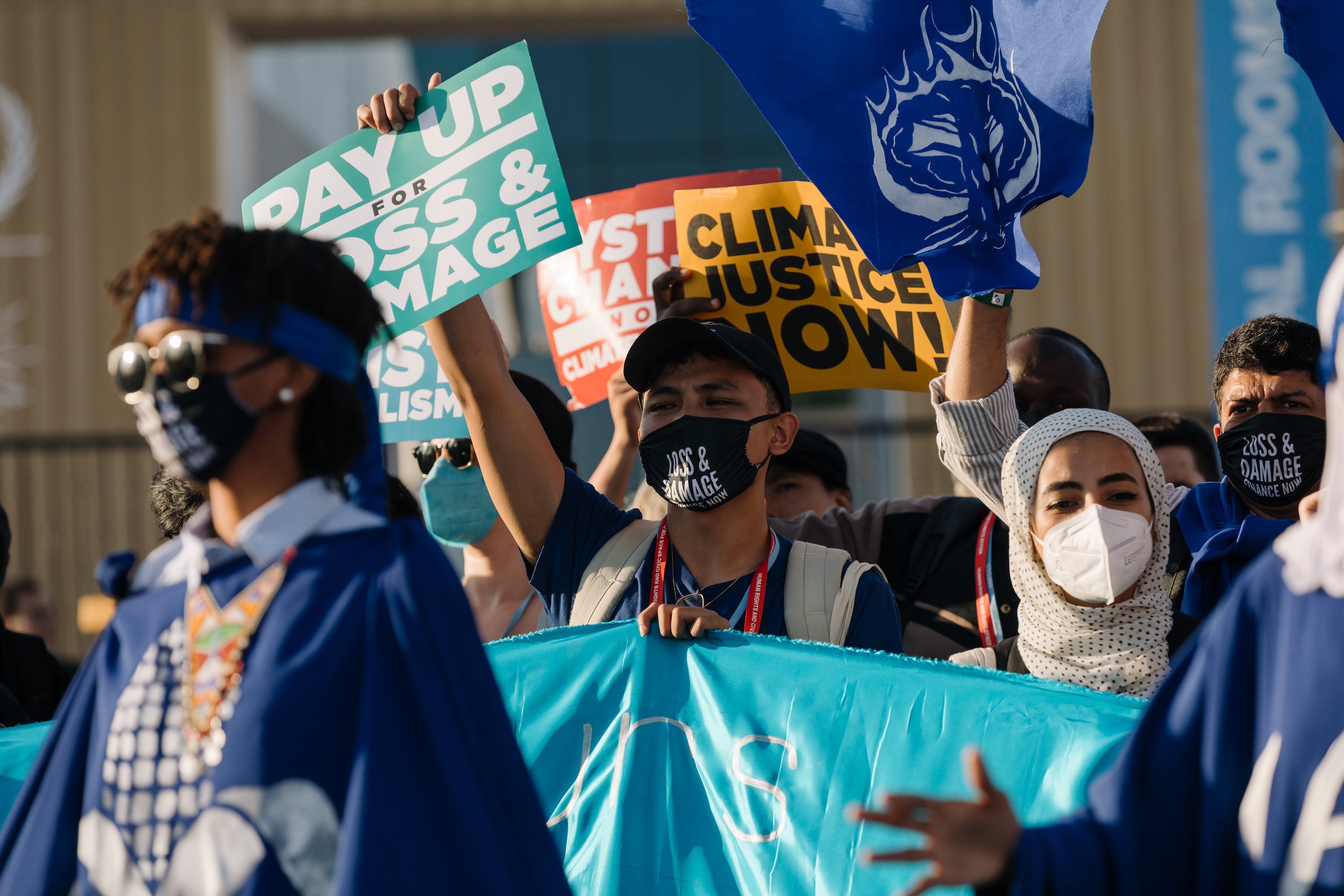
نومبر 2022 میں سی او پی 27 کانفرنس میں مظاہرین امیر ممالک پر زور دیتے ہیں کہ وہ آب و ہوا کی تبدیلی سے سب سے زیادہ متاثر ہونے والی برادریوں کو معاوضہ دیں (تصویر © میری جیکومین / گرین پیس
موسمیاتی پناہ گزین
Climate refugees
موسمیاتی پناہ گزین وہ اصطلاح ہے جو کچھ کارکنوں اور مبصرین ان لوگوں کے لئے استعمال کرتے ہیں جو موسمیاتی تبدیلی کے اثرات، جیسے سیلاب یا سطح سمندر میں اضافے کی وجہ سے اپنا گھر چھوڑنے پر مجبور ہیں۔
موسمیاتی پناہ گزین کی کوئی رسمی تعریف نہیں ہے، اقوام متحدہ کی طرف سے استعمال ہونے والے پناہ گزین کی تعریف: “وہ لوگ جو جنگ، تشدد، تنازعات یا ظلم و ستم سے جان بچا کر بھاگتے ہیں اور کسی دوسرے ملک میں تحفظ کی تلاش میں بین الاقوامی سرحد عبور کرتے ہیں” -یہ تعریف ایسے شخص کا احاطہ نہیں کرتی جو طوفان یا سمندری سطح بڑھنے کے نتیجے میں اپنا گھر بار کھو چکا ہو۔
ماحولیاتی نظام
Ecosystem
ماحولیاتی نظام جانداروں کی ایک حیاتیاتی برادری ہوتا ہے، جس میں جانور، پودے، اور جرثومے شامل ہیں، اس کے ساتھ پانی اور مٹی کا طبعی ماحول جس میں وہ ایک دوسرے کے ساتھ تعامل کرتے ہیں۔ ماحولیاتی نظام بہت پڑا ہوسکتا ہے، جیسے کے پورے جنگلات اور بہت سے چھوٹے ماحولیاتی نظاموں پر بھی مشتمل ہوسکتا ہے۔
مونٹریال پروٹوکول
Montreal Protocol
مونٹریال پروٹوکول ایک بین الاقوامی ماحولیاتی معاہدہ ہے جو کہ سبسٹینسز دیٹ ڈیپلیٹ دی اوزو ن لیئر (ایسے مادے جو کہ اوزون کی تہہ کو نقصان پہنچاتے ہیں) سے متعلق ہے، جس پر 1987 میں دستخط کئے گئے تھے، جس کا مقصد اوزون ڈیپلیٹنگ سبسٹینسز (او ڈی ایس) بشمول کلورو فلورو کاربن (سی ایف سی-CFC) اور ہائیڈروکلورو فلوروکاربن (ایچ سی ایف سی-HCFC) کی پیداوار اور استعمال روک کر اوزون کی تہہ کی حفاظت کرنا ہے۔
مونٹریال پروٹوکول کو اکثر دنیا کا سب سے کامیاب بین الاقوامی ماحولیاتی معاہدہ سمجھا جاتا ہے۔ مطالعات سے اندازہ لگایا گیا ہے کہ معاہدے کے بغیر، اوزون کی تہہ 2050 تک منہدم ہو سکتی تھی۔
ن
نقصان اور تباہی
Loss and damage
موسمیاتی تبدیلیوں کے اثرات میں متواتر اور شدید سیلاب، گرمی کی لہریں اور سمندر کی سطح میں اضافہ شامل ہیں۔ بہت سے کیسز میں، ان تبدیلیوں کو اپنانا ناممکن ہے: جانیں ضائع ہو جاتی ہیں، زمین بانجھ ہو جاتی ہے، اور رہائش مستقل طور پر بدل جاتی ہے۔ موسمیاتی تبدیلیوں کے سماجی اور مالی اثرات جن سے گریز نہیں کیا جا سکتا اور نہ ہی ان کے مطابق ڈھالا جا سکتا ہے انہیں ‘نقصان اور تباہی’ کہا جاتا ہے۔
نقصان اور تباہی معاشی ہو سکتے ہیں، جیسے کہ غیر متوقع موسمی ساخت یا تبدیلی کی وجہ سے روزی روٹی کا نقصان یا زرعی پیداوار کا کم ہونا۔ یہ غیر اقتصادی بھی ہو سکتا ہے، جیسے ثقافتی روایات، مقامی علم، اور حیاتیاتی تنوع کا نقصان، جس کی پیمائش کرنا مشکل ہو سکتا ہے۔
موسمیاتی تبدیلیوں کے نتیجے میں ہونے والے نقصان اور تباہی کی قیمت کون ادا کرتا ہے یہ ماحولیاتی تبدیلی سے نمٹنے کے لئے عالمی مذاکرات میں ایک اہم اور متنازعہ مسئلہ ہے۔
نقل مکانی
Migration
جیسا کہ موسمیاتی تبدیلی سمندر کی سطح میں اضافے اور سیلاب، گرمی کی لہروں اور خشک سالی جیسے متواتر اور شدید موسمی واقعات کا باعث بنتی ہے، دنیا بھر میں بہت سے لوگ بہتر ماحول کی تلاش میں اپنے گھر چھوڑنے پر مجبور ہورہے ہیں۔ اسے اکثر موسمیاتی ہجرت کہا جاتا ہے۔ جیسے جیسے درجہ حرارت میں اضافہ ہوگا اور موسمیاتی تبدیلیوں کے اثرات بڑھیں گے، آنے والی دہائیوں میں موسمیاتی نقل مکانی میں نمایاں اضافہ متوقع ہے۔
نیشنلی ڈیٹرمنڈ کونٹریبوشن – این ڈی سی
Nationally Determined Contributions (NDCs)
2015 کے پیرس معاہدے کے تحت، ممالک کو قومی اخراج کو کم کرنے اور موسمیاتی تبدیلی کے اثرات سے موافقت کے لئے اپنی کوششوں کا ایک خاکہ تیار کرنا ہے۔ ان وعدوں کو نیشنلی ڈیٹرمنڈ کونٹریبوشن (این ڈی سی NDC) کہا جاتا ہے۔
این ڈی سیز ہر پانچ سال بعد جمع کرائے جاتے ہیں، اور یکے بعد دیگرے این ڈی سیز اپنے سابقہ سے زیادہ پرعزم (نام نہاد ‘ریچیٹ میکانزم’) ہوں گے۔ مشترکہ طور پر، یہ قومی اہداف موسمیاتی تبدیلی کی شدت اور اثرات کو کم کرنے کےلئے ایک مربوط عالمی کوشش کے مترادف ہونا چاہیے۔
نیٹ زیرو
Net zero
نیٹ زیرو ایک ایسی حالت ہے جس میں ماحول میں داخل ہونے والی گرین ہاؤس گیسوں کا کل اخراج ماحول سے خارج ہونے والے کاربن کے برابر ہے۔ اسے موسمیاتی غیرجانبداری بھی کہا جاتا ہے۔ 2018 میں، انٹرگوورنمنٹل پینل آن کلائمیٹ چینج نے 2050 کو آخری تاریخ کے طور پر نشان زد کیا۔ اگر پیرس معاہدہ کے تحت گلوبل وارمنگ کو 1.5C تک محدود کرنے کا ہدف ممکن بنانا ہے تو دنیا کو نیٹ زیرو تک پہنچنا ضروری ہے۔
لندن میں قائم غیر منافع بخش نیٹ زیرو ٹریکر اور تحقیقی اداروں کے اشتراک سےتیار کی گئی ایک رپورٹ کے مطابق، برطانیہ، امریکہ، بھارت اور چین سمیت تقریباً 128 ممالک اور خطوں نے خالص صفر کا ہدف مقرر کیا ہے۔ دنیا کی سب سے بڑی عوامی تجارتی کمپنیوں میں سے ایک تہائی سے زائد نے بھی نیٹ-زیرو اہداف مقرر کئے ہیں۔ نیٹ زیرو اہداف والی بہت سی حکومتوں اور کمپنیوں کو ان اہداف تک پہنچنے کے لئے واضح اور بروقت راستے متعین کرنے میں ناکامی پر تنقید کا نشانہ بنایا گیا ہے۔
ہ
ہیبی ٹیٹ فریگمنٹیشن
Habitat fragmentation
ہیبی ٹیٹ فریگمنٹیشن یا پناہ گاہوں کے ٹکڑے ہونا اس وقت ہوتی ہے جب مستقل پناہ گاہ کا ایک بڑا رقبہ، جیسے جنگل، ایک دوسرے سے الگ تھلگ کئی چھوٹے چھوٹے ٹکڑوں میں تقسیم ہوجاتا ہے۔ یہ حیاتیاتی تنوع کے لئے ایک بڑا خطرہ ہے، کیونکہ بہت سی نسلیں پناہ گاہوں کے چھوٹے حصّوں میں زندہ رہنے سے قاصر ہیں۔ جب چھوٹی آبادیوں کو ایک دوسرے سے الگ کر دیا جاتا ہے، تو یہ غیر متعلقہ افراد کے درمیان جین کے تبادلے کو بھی روک سکتا ہے، جو طویل مدت میں صحت مند آبادی کے لئے ضروری ہے۔

جنگلی علاقوں میں 2200 سے زیادہ افراد نہیں رہ گئے ہیں، آئی یو سی این کی جانب سے ڈھول یا ایشیائی جنگلی کتے کو ‘خطرے سے دوچار’ قرار دیا جاتا ہے، جو خطرے سے دوچار انواع کی حیثیت پر نظر رکھتا ہے۔ آئی یو سی این کے مطابق، ڈھول کی رہائش گاہ کو ہاؤسنگ، تجارتی ترقی اور زراعت کے لئے تعمیر کے ذریعہ تقسیم کیا جا رہا ہے۔ (تصویر: گریگور ڈوبوئس / فلکر، سی سی بائی-این سی-ایس اے)
ہندو کش ہمالیہ
Hindu Kush Himalaya
ہندو کش ہمالیہ (یا ایچ کے ایچ – HKH) ایک اصطلاح ہے جو جنوبی اور وسطی ایشیا کے پہاڑی علاقے کے لئے استعمال ہوتی ہے جو کہ ہندو کش کے پہاڑی سلسلے (افغانستان سے تاجکستان تک) اور ہمالیہ (پاکستان سے میانمار تک) دونوں پر محیط ہے۔
انٹرنیشنل سینٹر فار انٹیگریٹڈ ماؤنٹین ڈیولپمنٹ (آئی سی آئی ایم او ڈی – ICIMOD) کی طرف سے ہندو کش ہمالیہ کے علاقے کا 2023 کا جائزہ موسمیاتی تبدیلیوں کی وجہ سے خطے میں ہونے والی وسیع تبدیلیوں کو بیان کرتا ہے: گلیشیئرز زیادہ تیزی سے پگھل رہے ہیں، برف باری کے دن کم ہو رہے ہیں، اور پرمافراسٹ پگھل رہا ہے۔ ریاستوں، معاشروں اور حیاتیاتی تنوع پر اثرات جنوبی ایشیا اور اس سے آگے بہت زیادہ ہوں گے۔ رپورٹ کے بارے میں مزید یہاں پڑھیں۔
ہائیڈروکاربن
Hydrocarbons
ہائیڈرو کاربن فوسل فیول جیسے کوئلہ، پٹرولیم اور قدرتی گیس کے بنیادی اجزاء ہیں۔ کیمیائی طور پر، ہائیڈرو کاربن نامیاتی مرکبات ہیں جو کاربن اور ہائیڈروجن ایٹموں پر مشتمل ہوتے ہیں۔ بجلی کی پیداوار کے لئے یا نقل و حمل میں ایندھن کے طور پر ہائیڈرو کاربن جلانے سے کاربن ڈائی آکسائیڈ اور دیگر گرین ہاؤس گیسیں فضا میں خارج ہوتی ہیں، جو موسمیاتی تبدیلیوں میں کردار ادا کرتی ہیں۔
ہائیڈروکلورو فلورو کاربن (ایچ سی ایف سی)
Hydrochlorofluorocarbons (HCFCs)
ہائیڈروکلورو فلورو کاربن (ایچ سی ایف سی – HCFC) کیمیائی مرکبات ہیں جن میں ہائیڈروجن، کلورین، فلورین، اور کاربن ایٹم ہوتے ہیں، جو ریفریجریشن، ایئر کنڈیشنگ، فوم بنانے، اور ایروسول میں استعمال کے لئے تیار کیے گئے تھے۔ یہ طاقتور گرین ہاؤس گیسیں ہیں اور انہیں مونٹریال پروٹوکول کے تحت مرحلہ وار ختم کیا جا رہا ہے کیونکہ یہ اوزون کی تہہ کو نقصان پہنچاتی ہیں۔
ہائیڈرو فلورو کاربن (ایچ ایف سی)
Hydrofluorocarbons (HFCs
ہائیڈرو فلورو کاربن (ایچ ایف سی-HFC) وہ گیسیں ہیں جو ایئر کنڈیشنگ، ریفریجریشن اور دیگر صنعتوں میں استعمال ہوتی ہیں، جنہیں سی ایف سی (CFC) اورایچ سی ایف سی (HCFC) کو تبدیل کرنے کے لئے متعارف کرایا گیا تھا کیونکہ وہ اوزون کی تہہ کو نقصان نہیں پنہچاتیں۔ تاہم، یہ طاقتور گرین ہاؤس گیسیں ہیں اور جب ان کا استعمال کیا جاتا ہے تو موسمیاتی تبدیلی میں اہم کردار ادا کرتے ہیں۔
2016 میں، مونٹریال پروٹوکول میں کیگالی ترمیم کے تحت، عالمی حکومتوں نے ایچ ایف سی (HFC) کی پیداوار اور استعمال کو مرحلہ وار کم کرنے پر اتفاق کیا ہے۔
اضافی معلومات: ارون وائٹ
مترجم: ناہید اسرار
- شیئر
- دوبارہ شایع کریں
شالینی کماری دی تھرڈ پول میں ایڈیٹوریل اسسٹنٹ ہیں۔ اس سے پہلے وہ بی بی سی ہندی کے ساتھ ڈیجیٹل جرنلزم ٹرینی کے طور پر کام کر چکی ہیں۔ وہ AJK MCRC، جامعہ ملیہ اسلامیہ، نئی دہلی سے کنورجنٹ جرنلزم میں پوسٹ گریجویٹ ہیں۔
فرح ناز زاہدی معظم دی تھرڈ پول کی پاکستان کی ایڈیٹر ہیں۔ اس سے پہلے وہ ایکسپریس ٹریبیون میں فیچرز ڈیسک کی سربراہ کے طور پر کام کر چکی ہیں۔ ایک صحافی کے طور پر، فرح ناز کی توجہ کا مرکز انسان پر مبنی فیچر کہانیاں رہی ہیں۔ انہوں نے ماحولیاتی مسائل جیسے سالڈ ویسٹ مینجمنٹ، بلیو کاربن، اور جنوبی ایشیا میں پانی سے متعلق اقدامات پر رپورٹس کی ایڈیٹنگ کی ہے۔
Originally published here.














 chaaidaani
